You open the meditation app, set your timer for ten minutes, and settle onto your floor with crossed legs. With fresh determination, you’re off to start.
But within minutes, your mind starts its familiar dance. Your forgotten tasks parade through your thoughts. The living room furniture seems to rearrange itself in your mind’s eye. Soon enough, that creeping doubt returns – maybe you’re just not cut out for meditation after all.
Sound familiar? You’re not alone.
What meditation teachers often overlook is a crucial truth: successful meditation isn’t about forcing focus or battling a busy mind. The real challenge lies in your nervous system – it needs to feel secure enough to truly relax and release. Until then, your mind will naturally resist settling into stillness.
Why won’t your body let you settle?
You tell yourself to focus on the present. To let thoughts pass like clouds. To breathe deeply. Intellectually, it all makes sense. But your body has other plans.
Your nervous system is built for protection, not peace. When it’s carrying stress from your day, your week, your life, it simply won’t let you drop into the vulnerability that meditation requires.
Racing thoughts aren’t failure – they’re your nervous system scanning for threats. That fidgety, restless feeling isn’t lack of discipline; it’s your body saying: Sitting still feels risky right now. Shallow breathing? That’s tension maintained, ready to spring into action if needed.
To a system stuck in survival mode, stillness feels dangerous, not healing. The harder you try to meditate, the more your mind resists – because your body is still on guard.
What actually changes everything?
Real meditation begins in the body, not the mind. Before you can access calm, focused states, your nervous system needs signals that it’s safe to let go.
This is where conscious breathing becomes your secret weapon – not as meditation itself, but as the bridge that makes meditation possible. Each intentional inhale tells your system: We’re okay right now. Each slow exhale whispers: It’s safe to release what we’ve been holding.
You start to relax. Your jaw feels loose. Your mind becomes quiet. Your body and mind let go of stress. Meditation turns from effort into ease.
The missing step most people skip?
Most apps and teachers skip this. Your nervous system must be prepared, not commanded. A simple 5-minute breathing routine, done consistently, changes everything.
No complicated techniques. No advanced practices. Just intentional preparation that tells your body meditation time is safe time, not stress time.
Approach it this way, and the restlessness quiets. The mental chatter settles. The timer becomes your friend, not your enemy. You’re not forcing calm – you’re allowing your system to find its natural state of peace.
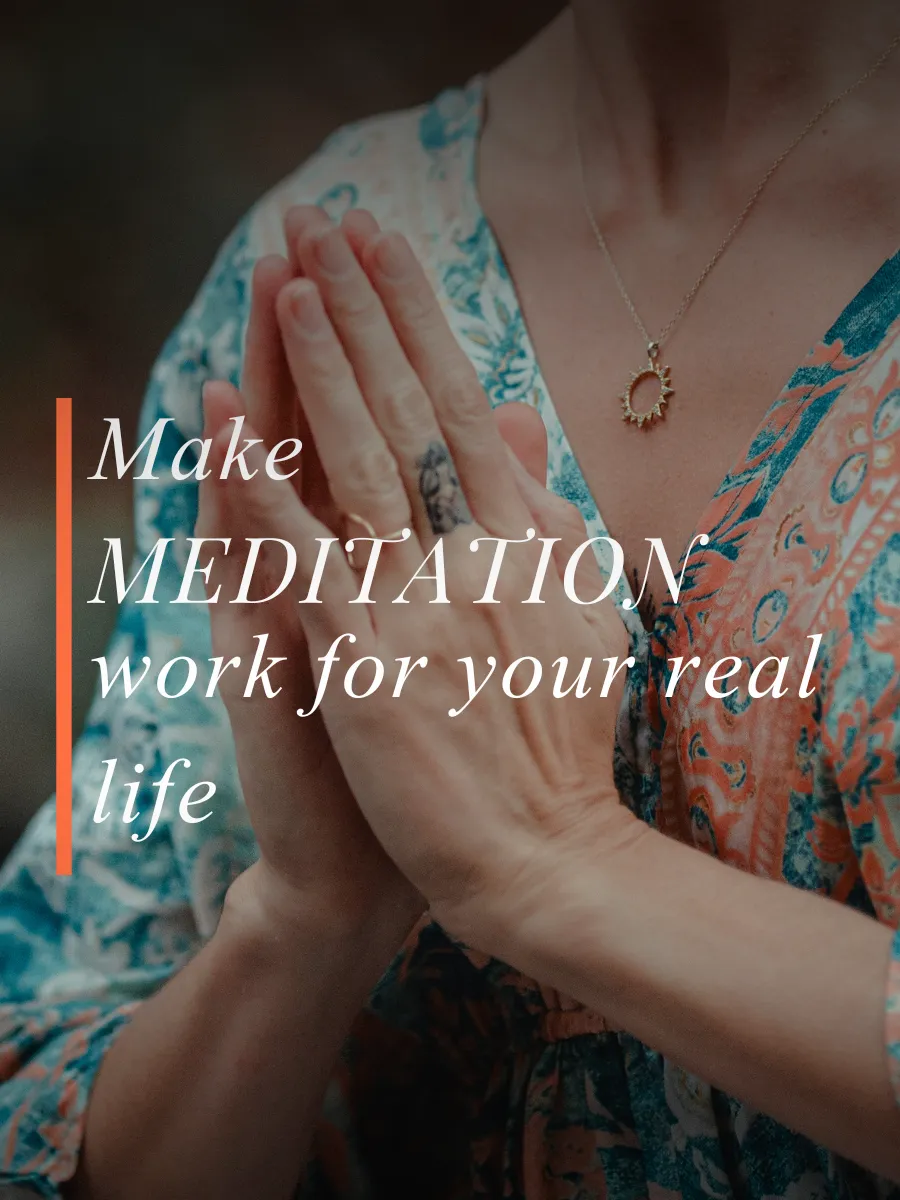
Make meditation work for your real life?
There’s a guide for busy achievers who want meditation to actually work – not just look good on a habit tracker.
Inside, you’ll discover the exact 5-minute morning practice that prepares your nervous system for meditation, why your current approach may be backfiring, and how to build a practice that supports your life instead of adding stress. Stop forcing meditation. Start preparing for it. Get your guide here.
Originally published on Substack